《萨乐美》讲述一个什么样的故事?
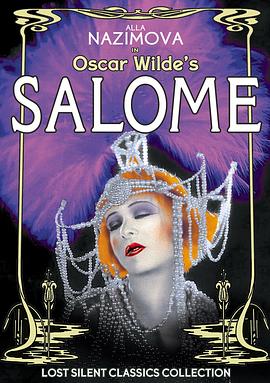
Salomé (1923), a silent film directed by Charles Bryant and starring Alla Nazimova, is a film adaptation of the Oscar Wilde play of the same name. The play itself is a loose retelling of the biblical story of King Herod and his execution of John the Baptist (here, as in Wilde's play, called Jokaanan) at the request of his stepdaughter, Salomé, whom he lusts after. Salomé is often called one of the first art films to be made in the U.S.[citation needed] The highly stylized costumes, exaggerated acting (even for the period), minimal sets, and absence of all but the most necessary props make for a screen image much more focused on atmosphere and on conveying a sense of the characters' individual heightened desires than on conventional plot development. Despite the film being only a little over an hour in length and having no real action to speak of, it cost over $350,000 to make. All the sets were constructed indoors to be able to have complete control over the lighting. The film was shot completely in black and white, matching the illustrations done by Aubrey Beardsley in the printed edition of Wilde's play. The costumes, designed by Natacha Rambova, used material only from Maison Lewis of Paris, such as the real silver lamé loincloths worn by the guards. No major studio would be associated with the film, and it was years after its completion before it was released, by a minor independent distributor. It was a complete failure at the time and marked the end of Nazimova's producing career. A longstanding rumor, which seems to have started while the film was still in production, suggests that its cast is comprised entirely of gay and bisexual actors in an homage to Oscar Wilde, as per star and producer Nazimova's demand. It is, of course, impossible to say, but one of the extras in Salomé reported that a number of the cast members—both featured and extras—were indeed gay, but not an unusual percentage of them, and certainly not all of them. What can be said is that Nazimova herself was a lesbian, the two guard characters (who, next to Salomé, have the most screen time) are at least played very stereotypically gay, and several of the female courtiers are men in drag. Salomé was screened in 1989 at the New York International Festival of Lesbian and Gay films and in 1990 at the New York Gay Experimental Film Festival. In 2000, the United States Library of Congress deemed the film culturally significant and selected it for preservation in the National Film Registry.
1、《萨乐美》在那一年份上映的?
《萨乐美》是查尔斯·布莱恩特,艾拉·娜兹莫娃于1923年当年拍摄上映面向大众的一部精彩佳作剧情片。这部片开创了美国这个时代剧情片的先河,《萨乐美》上映期间便豪取惊人票房,其成绩稳居全球票房榜前列,创下当年播放记录。在那个时代艾拉·娜兹莫娃均为最佳演技派演员,艾拉·娜兹莫娃以颜值与实力并存的非凡魅力,奠定在美国加冕其影视巨星的璀璨光环。艾拉·娜兹莫娃饰演角色在完播后依然被大众模仿。查尔斯·布莱恩特,艾拉·娜兹莫娃之前曾被观众怀疑过演技能力,而《萨乐美》却奠定查尔斯·布莱恩特,艾拉·娜兹莫娃剧情片别样风格。《萨乐美》国外首映时曾获剧情片和媒体广泛报道,被认为其优秀程度,是完全能与同时期(指1980年代)好莱坞优秀剧情片齐名。
2、被称为剧情片的巅峰之作的《萨乐美》,是查尔斯·布莱恩特,艾拉·娜兹莫娃最好的作品之一吗?
从查尔斯·布莱恩特,艾拉·娜兹莫娃斩获剧情片最佳导演奖,我就觉得这部《萨乐美》是他最好的剧情片。虽然查尔斯·布莱恩特,艾拉·娜兹莫娃后来还拍出来了8分评价剧情片,但是《萨乐美》是他剧情片的经典作品之一。
3、《萨乐美》为什么能成为巅峰之作?
提起美国剧情片,大众肯定会想到《萨乐美》的名字。这部由查尔斯·布莱恩特,艾拉·娜兹莫娃导演,艾拉·娜兹莫娃主演的《萨乐美》,在当时,真的是成为了一匹黑马,杀出了一条血路,创造了一个奇迹。为何会这么说,我想,就连查尔斯·布莱恩特,艾拉·娜兹莫娃导演和艾拉·娜兹莫娃,都没想到这部剧情片会得到这样好的反响。查尔斯·布莱恩特,艾拉·娜兹莫娃老师曾说过,这是一群失意的人凑到一起创作出来的一部巨品。因为在《萨乐美》拍摄之前,艾拉·娜兹莫娃已经有多年无戏可拍,而艾拉·娜兹莫娃主演的剧情片,票房始终不理想,这样的几个人凑在了一起,也真是缘分!所以,正是这样的失意感和强烈的自尊心,他们在剧情片中投入的激情,是我们无法想象的,其实《萨乐美》中的人物心理历程和感人的剧情,这何尝不是对现实中人们无奈处境的深刻映照?正因如此,他们才怀抱着一腔不甘的孤勇,以绝对的实力,铸就了这部不朽经典剧情片,也成就了他们自己!
4、媒体如何评价《萨乐美》?
《萨乐美》口碑好同时又深受广大观众喜爱,《萨乐美》一经播放立刻引来关注,不仅艾拉·娜兹莫娃演的好而且该剧情片故事情节也非常紧凑,秋霞影视(www.selfdestructivebastards.com)观看起来特别流畅同时还能扣人心弦,即使目前《萨乐美》收视率不佳但是该片目前受欢迎程度已经蒸蒸日上。该剧情片主演艾拉·娜兹莫娃,她在该剧情片中的演技可圈可点,受到艾拉·娜兹莫娃演的好而且该剧情片迷的认可。
5、《萨乐美》剧情片的主要内容
《萨乐美》是一部剧情片剧情片,由导演:查尔斯·布莱恩特,艾拉·娜兹莫娃执导,主演:艾拉·娜兹莫娃,
Salomé (1923), a silent film directed by Charles Bryant and starring Alla Nazimova, is a film adaptation of the Oscar Wilde play of the same name. The play itself is a loose retelling of the biblical story of King Herod and his execution of John the Baptist (here, as in Wilde's play, called Jokaanan) at the request of his stepdaughter, Salomé, whom he lusts after. Salomé is often called one of the first art films to be made in the U.S.[citation needed] The highly stylized costumes, exaggerated acting (even for the period), minimal sets, and absence of all but the most necessary props make for a screen image much more focused on atmosphere and on conveying a sense of the characters' individual heightened desires than on conventional plot development. Despite the film being only a little over an hour in length and having no real action to speak of, it cost over $350,000 to make. All the sets were constructed indoors to be able to have complete control over the lighting. The film was shot completely in black and white, matching the illustrations done by Aubrey Beardsley in the printed edition of Wilde's play. The costumes, designed by Natacha Rambova, used material only from Maison Lewis of Paris, such as the real silver lamé loincloths worn by the guards. No major studio would be associated with the film, and it was years after its completion before it was released, by a minor independent distributor. It was a complete failure at the time and marked the end of Nazimova's producing career. A longstanding rumor, which seems to have started while the film was still in production, suggests that its cast is comprised entirely of gay and bisexual actors in an homage to Oscar Wilde, as per star and producer Nazimova's demand. It is, of course, impossible to say, but one of the extras in Salomé reported that a number of the cast members—both featured and extras—were indeed gay, but not an unusual percentage of them, and certainly not all of them. What can be said is that Nazimova herself was a lesbian, the two guard characters (who, next to Salomé, have the most screen time) are at least played very stereotypically gay, and several of the female courtiers are men in drag. Salomé was screened in 1989 at the New York International Festival of Lesbian and Gay films and in 1990 at the New York Gay Experimental Film Festival. In 2000, the United States Library of Congress deemed the film culturally significant and selected it for preservation in the National Film Registry.
6、《萨乐美》是查尔斯·布莱恩特,艾拉·娜兹莫娃导演的一部经典的剧情美国片大全,该剧讲述了:Salomé (1923), a silent film directed by Charles Bryant and starring Alla Nazimova, is a film adapta,想看更多的相关影视作品,请收藏我们的网站:www.selfdestructivebastards.com
Salomé (1923), a silent film directed by Charles Bryant and starring Alla Nazimova, is a film adaptation of the Oscar Wilde play of the same name. The play itself is a loose retelling of the biblical story of King Herod and his execution of John the Baptist (here, as in Wilde's play, called Jokaanan) at the request of his stepdaughter, Salomé, whom he lusts after. Salomé is often called one of the first art films to be made in the U.S.[citation needed] The highly stylized costumes, exaggerated acting (even for the period), minimal sets, and absence of all but the most necessary props make for a screen image much more focused on atmosphere and on conveying a sense of the characters' individual heightened desires than on conventional plot development. Despite the film being only a little over an hour in length and having no real action to speak of, it cost over $350,000 to make. All the sets were constructed indoors to be able to have complete control over the lighting. The film was shot completely in black and white, matching the illustrations done by Aubrey Beardsley in the printed edition of Wilde's play. The costumes, designed by Natacha Rambova, used material only from Maison Lewis of Paris, such as the real silver lamé loincloths worn by the guards. No major studio would be associated with the film, and it was years after its completion before it was released, by a minor independent distributor. It was a complete failure at the time and marked the end of Nazimova's producing career. A longstanding rumor, which seems to have started while the film was still in production, suggests that its cast is comprised entirely of gay and bisexual actors in an homage to Oscar Wilde, as per star and producer Nazimova's demand. It is, of course, impossible to say, but one of the extras in Salomé reported that a number of the cast members—both featured and extras—were indeed gay, but not an unusual percentage of them, and certainly not all of them. What can be said is that Nazimova herself was a lesbian, the two guard characters (who, next to Salomé, have the most screen time) are at least played very stereotypically gay, and several of the female courtiers are men in drag. Salomé was screened in 1989 at the New York International Festival of Lesbian and Gay films and in 1990 at the New York Gay Experimental Film Festival. In 2000, the United States Library of Congress deemed the film culturally significant and selected it for preservation in the National Film Registry.
 播放列表
播放列表
 相关推荐
相关推荐
 热度排行榜
热度排行榜
 友情链接
友情链接